
Blog
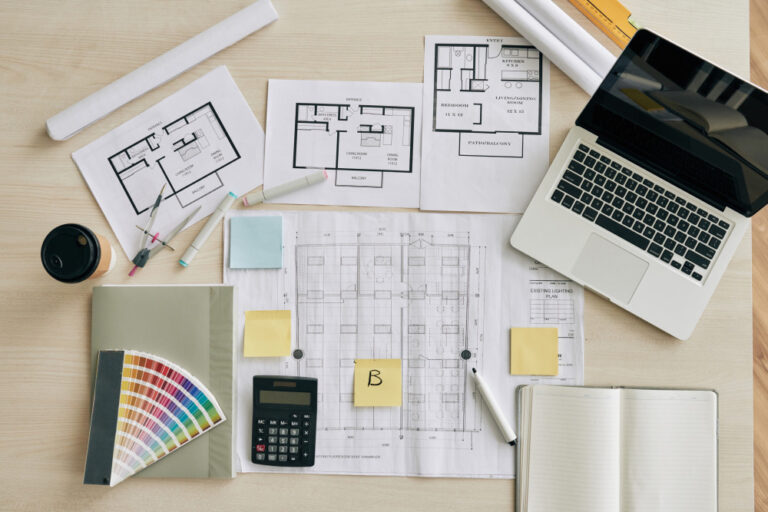
How to Design a Home That Adapts to Different Floor Plans
Designing a home that can evolve with your needs is one of the smartest decisions a property buyer can make. Whether you are planning for a growing family, future resale value, or simply want the flexibility to refresh your living space over time, an adaptable layout ensures your home remains functional and comfortable for years to come. The key is to think beyond how you will use the space today and imagine how it might need to work for you tomorrow.
A great starting point is to focus on creating multi‑purpose rooms. Instead of assigning a single, fixed function to each area, consider how a space could serve different roles depending on your lifestyle. A spare bedroom might double as a home office, a playroom could later become a study, and an open-plan living area can be rearranged to suit entertaining, relaxing, or working from home. Choosing furniture that is easy to move or reconfigure helps these transitions feel seamless.
Another important element is planning for flexible circulation. Homes with adaptable floor plans often feature wide openings, sliding doors, or partitions that can be opened up to create a sense of flow or closed off to provide privacy. This approach allows you to shift between open and intimate environments without major renovations. It also makes it easier to adjust the layout as your needs change, whether that means creating a quiet workspace or expanding a social area for gatherings.
Storage plays a surprisingly big role in adaptability. Built‑in units, modular shelving, and hidden storage solutions help keep spaces clutter‑free, making it easier to reconfigure rooms without being limited by bulky items. When storage is well planned, even smaller homes can feel spacious and versatile.
Lighting is another design tool that supports flexibility. Layered lighting, combining ambient, task, and accent options allows you to change the mood and function of a room instantly. A space that feels bright and energising during the day can become warm and cosy in the evening with the right lighting choices.
Ultimately, designing an adaptable home is about creating spaces that can grow with you. By prioritising flexibility, thoughtful planning, and timeless design choices, you will ensure your home remains practical, comfortable, and ready for whatever the future brings.