
Blog
How to Keep Your House Cooler in Summer
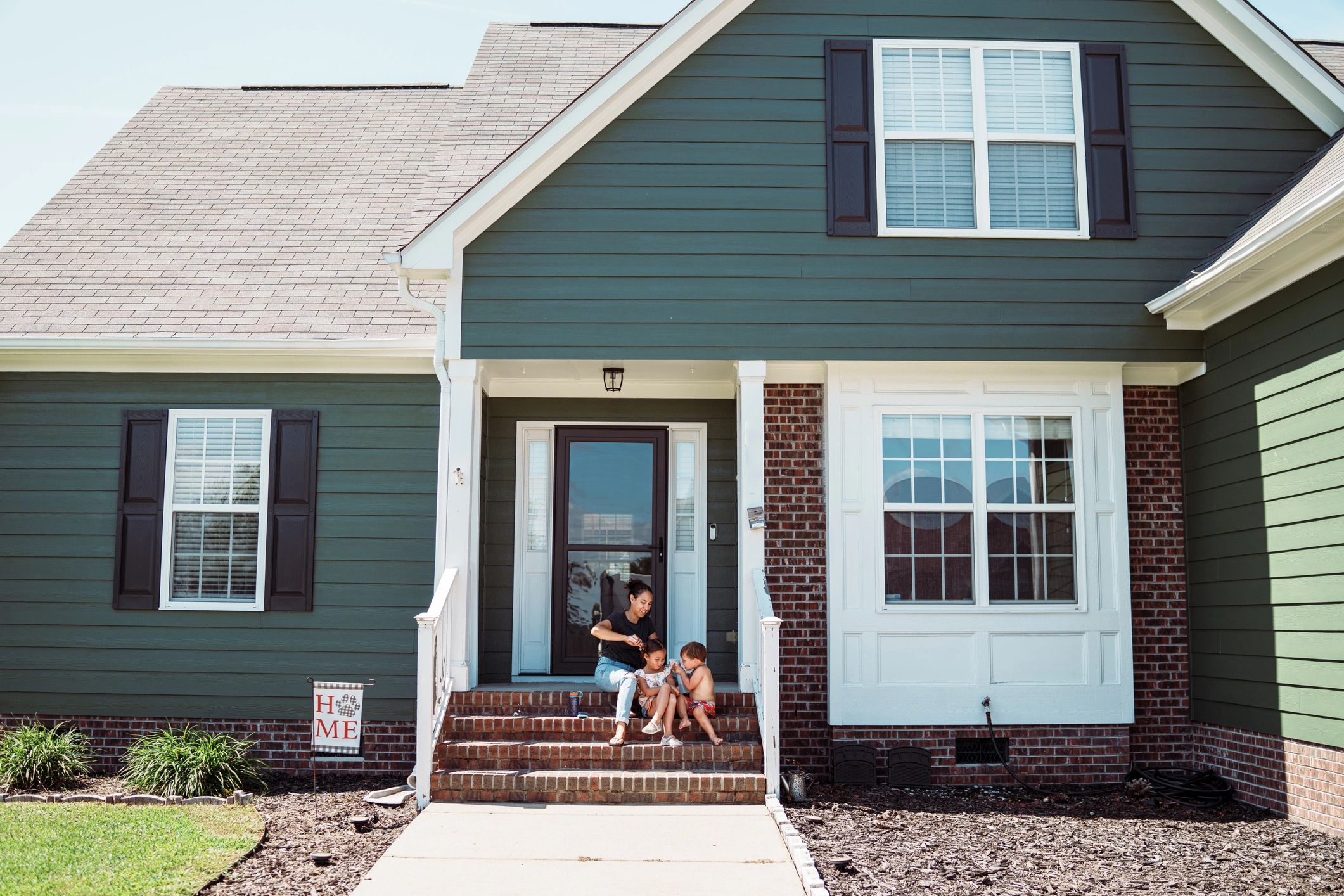
Beat the Heat Without Breaking the Bank
Summer heatwaves can turn your home into an oven, driving up energy bills and making daily life uncomfortable—especially in urban areas like London where concrete and limited airflow amplify temperatures. With rising temperatures becoming more common, finding effective, low-cost ways to maintain a cool indoor environment is no longer a luxury, it’s a necessity. The good news? You don’t need a full-scale renovation or expensive equipment to make a measurable difference.
This guide will walk you through proven, practical strategies to keep your house cooler during the hottest months. From simple behavioral adjustments to smart home modifications, you’ll learn how to leverage ventilation, insulation, shading, and energy-efficient habits to create a more comfortable living space. We’ll cover how to use window treatments effectively, optimize airflow with strategic fan placement, seal gaps that let heat seep in, and choose cooling solutions that work best for your home’s layout.
Whether you live in a flat, terraced house, or suburban property, these actionable tips are designed to improve indoor comfort while reducing reliance on air conditioning—helping you save money and stay refreshed all summer long.
Seal Gaps Like a Pro: Keep Cool Air In and Hot Air Out
One of the most effective ways to maintain a cooler home during summer is by sealing your windows and doors properly. Unsealed gaps allow hot outside air to infiltrate and air-conditioned indoor air to escape, forcing your cooling system to work harder—and cost you more.
Follow this simple 5-step process:
Inspect Problem Areas
Check around window frames, door jambs, and thresholds for daylight or drafts. Pay special attention to older windows common in London homes.Choose the Right Weatherstripping
- V-strip (tension seal): Ideal for windows with frequent use
- Foam tape: Budget-friendly but less durable
- Door sweeps: Perfect for sealing bottom gaps on entry doors
- Silicone or rubber gaskets: Best for long-term durability in variable UK weather
Clean Surfaces Thoroughly
Remove dust, old adhesive, and debris with a damp cloth. Let areas dry completely before applying new strips.Apply with Precision
Cut strips to size and press firmly along the contact surface. For V-strips, align the center ridge with the meeting stile to ensure a tight seal when closed.Test and Adjust
Close doors and windows repeatedly. Ensure smooth operation without binding while maintaining an airtight seal.
Pro tip: Reapply or replace weatherstripping annually—especially before summer—to maintain peak efficiency in Stratford homes where temperature fluctuations are common. This small upgrade can significantly reduce indoor heat gain and keep your space comfortable.
Block the Sun, Not the Style: Smart Window Coverings for Cooler Homes
During London’s increasingly warm summers, uncontrolled sunlight streaming through windows can turn rooms into greenhouses. One of the most effective ways to combat heat gain is with thermal curtains or blackout blinds, specially designed window treatments that act as a barrier to solar heat. Unlike standard curtains, thermal options feature dense, insulating fabrics often lined with reflective materials that bounce sunlight away before it warms interior spaces.
Installing these coverings in bedrooms, living areas, and sun-facing rooms helps maintain cooler indoor temperatures—especially during peak daylight hours. Homeowners across Stratford and East London have found that closing blackout blinds by mid-morning prevents heat buildup before it starts. For maximum impact:
- Choose floor-to-ceiling thermal curtains with minimal gaps
- Install blinds inside the window recess to prevent heat leakage
- Opt for light-colored or reflective linings to repel rather than absorb heat
These solutions don’t just reduce reliance on air conditioning—they also improve evening comfort and support restful sleep. With consistent use, thermal window treatments can make a noticeable difference in both energy costs and indoor climate control, offering an affordable, stylish fix for summer heat.
5 Smart Fan Strategies & Cooling Tactics for Hotter Months
Beat the summer heat without overworking your AC by integrating energy-efficient fans and strategic airflow techniques. These proven methods enhance comfort while reducing energy costs—especially valuable during London’s increasingly warmer summers.
Install Ceiling Fans with Heat-Reverse Mode
Set ceiling fans to rotate clockwise at low speed to gently draw warm air up and circulate it down along the walls. This destratification technique balances indoor temperatures and improves HVAC efficiency, particularly in rooms with high ceilings common in older Stratford homes.Optimize Fan Placement for Cross-Ventilation
Create natural airflow by placing box or pedestal fans near opposing windows. Position one fan facing outward on the cooler, shaded side of your home (e.g., north-facing) and another inward on the warmer side to pull in fresh air. This technique works best during early morning or evening hours.Use Smart Fan Controls
Connect fans to programmable timers or smart thermostats so they operate only when needed. Automating fan cycles based on occupancy or temperature prevents unnecessary energy use and maintains consistent comfort.Leverage Whole-House Fan Systems
Install a whole-house fan in central hallways or upper floors to exhaust hot air into the attic and outside. Run it during cooler off-peak hours to rapidly cool interior spaces throughout your home.Combine Fans with Shaded Ventilation
Open windows in shaded areas and pair with fans to draw in cooler outdoor air while blocking direct sunlight with blinds or awnings. This hybrid approach maximizes passive cooling potential and keeps indoor environments comfortable without straining your cooling system.
Master Your Thermostat: Smart Cooling Strategies for Summer
Keep your home comfortable and energy costs low with these actionable steps to optimize your cooling system this summer.
Set a Smart Baseline Temperature
Program your smart thermostat to 78°F (26°C) when you’re home and awake. This temperature balances comfort and efficiency, reducing strain on your AC unit in hot London summers.Enable Auto Scheduling
Use your thermostat’s learning mode or daily schedule to adjust temperatures automatically. Set it to warm up to 85°F (29°C) when you’re away and cool back down 30 minutes before you return, using geofencing if available.Pair AC with Ceiling Fans
Run ceiling fans at low speeds to circulate cool air and create a wind-chill effect. This lets you feel 3–4°F cooler without lowering the thermostat, especially effective in living areas and bedrooms.Use Fans Alone During Milder Evenings
When outdoor temperatures drop below 75°F (24°C), turn off the AC and rely on box or oscillating fans. Open windows strategically to encourage cross-ventilation, particularly in Stratford’s evening breezes.Avoid Short-Cycling
Don’t crank the thermostat down drastically when you’re hot—this forces the AC to work inefficiently. Instead, make gradual adjustments and allow at least 15–20 minutes for cooling to take effect.
Regular maintenance and strategic fan use extend your AC’s lifespan and improve comfort across all rooms.
Frequently Asked Questions About Summer Home Cooling
How can I reduce my energy bills while keeping my home cool?
Maximizing energy efficiency starts with proper thermostat management. Set your programmable thermostat to 78°F (26°C) when you’re home and raise it when away. Use ceiling fans to create a wind-chill effect, allowing you to set the thermostat higher without sacrificing comfort. Sealing air leaks around windows, doors, and ductwork can also prevent cool air from escaping, especially in older London properties with heritage construction.
Are portable air conditioners effective for small spaces?
Yes, portable units work well for single rooms or flats, particularly where window AC installation isn’t feasible. Ensure the unit’s BTU rating matches the room size—typically 7,000–10,000 BTUs for studios or bedrooms. Proper venting through a window is critical for performance and moisture control.
What’s the best thermostat setting for staying cool and saving energy?
Aim for 78°F during active hours. Each degree lower can increase cooling costs by up to 8%. Pair this with fans and window shading for optimal comfort.
How often should I service my air conditioning system?
Schedule professional maintenance at least once a year, preferably before summer begins. This includes cleaning coils, checking refrigerant levels, and inspecting electrical components to maintain efficiency.
Can smart blinds or shades help regulate indoor temperatures?
Absolutely. Automated shading systems block solar heat gain during peak daylight hours. South and west-facing windows in UK homes benefit most from this technology.
What ductless cooling options work well in historic homes?
Ductless mini-split systems are ideal for older constructions where adding ductwork is impractical. They offer zoned cooling and high energy efficiency with minimal structural impact.
Simple Steps to a Cooler, More Comfortable Home This Summer
Staying cool at home during the hot summer months doesn’t require drastic measures—small, strategic changes can make a big difference in comfort and energy efficiency. By now, you’ve learned how sealing windows and doors, using reflective window films, optimizing ceiling fan direction, and improving attic insulation all contribute to reducing indoor heat gain. These solutions work together to keep your living spaces cooler naturally, minimizing reliance on air conditioning and helping lower utility bills across London homes.
Start by conducting a walk-through of your home during peak sun hours to identify hotspots—areas that feel significantly warmer or receive prolonged direct sunlight. Address these with cost-effective fixes like thermal curtains, exterior shades, or even strategic landscaping with fast-growing shrubs or trellised vines. Don’t overlook the impact of appliances; shifting heat-generating tasks like baking or laundry to cooler times of day can reduce indoor temperatures noticeably.
For long-term comfort, consider scheduling a professional energy assessment to evaluate your home’s envelope performance. Many local providers in Stratford and across Greater London offer evaluations that pinpoint air leakage, insulation gaps, and ventilation issues. Taking action now sets the foundation for year-round indoor climate control—so take the first step today and enjoy a cooler, more comfortable home all summer long.